Teen Drinking and Driving: What Families and Communities Must Know
Teen drinking and driving remains one of the most urgent threats to young lives today. Adolescence is a natural time for curiosity, independence, and testing boundaries. However, when you mix a teenager’s developing brain with peer pressure, a desire to fit in, and a set of car keys, the results can be catastrophic. Even small amounts of alcohol can drastically impair teens’ judgment, reaction time, and decision-making skills.
For many youths, experimentation starts earlier than we think. Research from the National Institute on Drug Abuse shows that substance use can begin between the ages of 12 and 14. Early exposure drastically increases the likelihood of unsafe behaviors later in life—including driving under the influence or getting into a car with an impaired driver.
Warning Signs: What Parents Should Watch For
It is easy to chalk up behavior changes to “just being a teenager,” but certain shifts can signal that alcohol use, or risky behavior is at play. Keep an eye out for the following:
- Social Shifts: Sudden changes in friend groups or a drop in communication.
- Academic Drops: Declining grades or sudden loss of interest in sports and hobbies.
- Behavioral Red Flags: Secretiveness, dishonesty, sneaking out, or breaking curfew.
- Emotional Swings: Unusual irritability, mood swings, or aggression.
- Physical Cues: Smelling alcohol on breath or clothing, bloodshot eyes, or drastic changes in sleep and appetite.
Note: While these signs do not automatically mean a teen is drinking, they are a clear signal that your teen needs support and an open conversation.
Why Underage Drunk Driving Is a Unique Threat
Teen drivers are already at a disadvantage simply because they lack years of experience behind the wheel. When you add alcohol to the equation, the risks multiply.
| Risk Factor | Real World Consequence |
| Inexperience + impairment | Inability to react to sudden road hazards, leading to severe injuries or fatalities. |
| False Confidence | Teens often underestimate their level of intoxication, genuinely believing they are “fine to drive.” |
| Life Altering Fallout | Severe legal consequences (DUI arrests), loss of academic/athletic scholarships, and fractured family trust. |
Actionable Steps for Families: Prevention Starts at Home
Parents and caregivers are the first line of defense. You have more influence over your teens’ choices than you might think. Here is how to use it:
Start Conversations Early (and Drop the Lectures): Do not wait for a crisis to talk about alcohol. Keep conversations calm, supportive, and ongoing. Ask open-ended questions about their social life rather than accusing them. Teens shut down during lectures; they open up during dialogues.
Establish a “No-Questions-Asked” Safe Ride Home: Make a firm agreement with your teen, if they are ever in a situation where they or their driver have been drinking, they can call you for a ride home—zero questions asked, zero immediate punishment. You can discuss the situation the next day when everyone is safe and calm.
Model Healthy Behavior: Teens watch what you do more than what you say. If you drink, model responsible behavior. Never get behind the wheel after having a drink, and do not make light of driving home after “only a few.”
Stay In the Loop: Know where your teens are going, who they are with, and what the supervision situation looks like. Getting to know their friends’ parents creates a wider safety net.
It Takes a Village: How Communities Can Step Up
Preventing teen drinking and driving is more than a family issue—it requires community-wide effort. Schools, coaches, local businesses, and healthcare providers must work together to protect youth.
- Provide Safe Alternatives: Host alcohol-free community events, late-night sports leagues, and safe post-prom/homecoming activities.
- Launch Safe-Ride Initiatives: Partner with local ride-share programs or community volunteers to ensure youth have access to safe transportation during major school events.
- Offer Mental Health Support: Many teens turn to substances to cope with anxiety, depression, or academic stress. Accessible mental health resources act as an excellent preventative measure.
- Empower Peer Mentorship: Encourage older students or student-athletes to advocate for sober driving. Teens often listen to their peers more than adults.
Creating a Safer Future, Together
Teenage drinking and driving is entirely preventable. Through proactive education, judgment-free communication, and strong community support, we can empower young people to make smarter, safer choices that protect themselves and everyone else on the road. If you are concerned about a teen in your life, do not wait. Early intervention saves lives. Reach out to Spectrum Health for guidance and support.
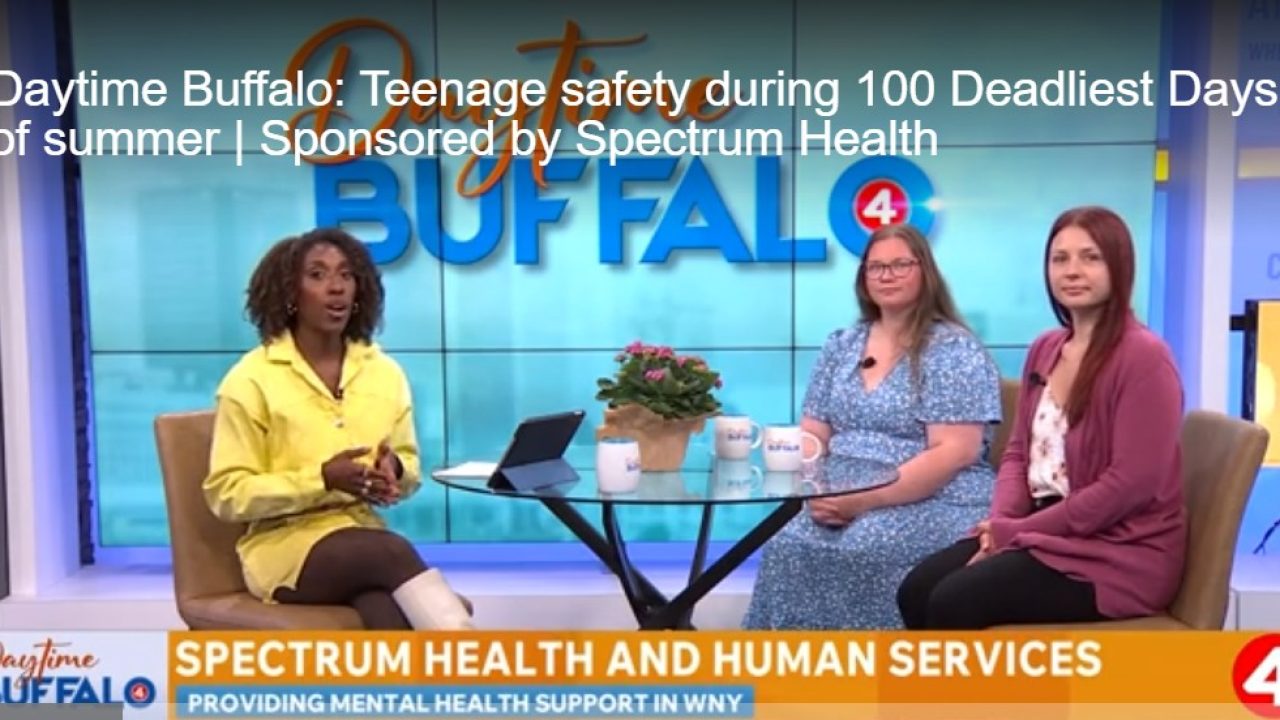
Thanks to WIVB’s Daytime Buffalo for this special segment on how to keep teens safer this summer.
Kayli Silco, CASAC